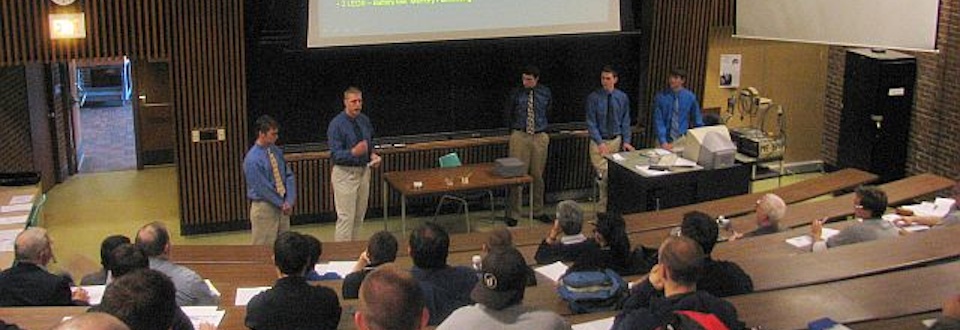
Tip: How To Stop A Presentation That’s Going Badly
Even great presenters will have a presentation bomb badly. But the difference between great presenters and everyone else is that the great ones don’t keep going. Great presenters stop the presentation. They understand that there’s no point in finishing a presentation that the audience doesn’t want to hear (and it’s not like we get a special prize for reaching the last slide). So here’s a simple approach for stopping (and restarting) a presentation that’s going very badly.First, stop the presentation. If it’s going so badly that you can see it on the faces of your audience, you’re not going to steer your way out of it. So just stop. I like to say something like “Let me stop for a minute, because I have a feeling I’m not hitting the mark here.” Not only does stopping the presentation keep you from (figuratively) crashing into a wall, it also awakens your audience. So few presenters have the courage to stop a presentation that it’s a surprise. And with presentations going badly, it’s a very nice surprise.Second, don’t just stop your presentation; try to restart it. The beginners’ approach is asking the audience “I know the presentation wasn’t hitting the mark, but is there 1 question you really wanted to get answered today? Because I’m happy to spend a few minutes just tackling that issue directly.” This gives your audience comfort that you do want to meet their needs, and it tells you what those needs are.A more advanced version of this is asking your audience “Should I pack up and tell headquarters I really messed this meeting up, or is there anything I can share in the next 6 minutes that would add some value to you?” This version is not for the feint-hearted, but if done with the right amount self-deprecation, it can absolutely wow your audience and immediately turn them from adversaries to allies.Eventually you’re going to have a presentation go badly. That’s okay as long as you know how to respond. Don’t bury your head in the sand and hope that it magically turns itself around. Stop the presentation, engage your audience in helping you fix the presentation, and there’s a very good chance they’ll ask you to present even more.