Phonewire Voicemail Transcription Featured on CNBC
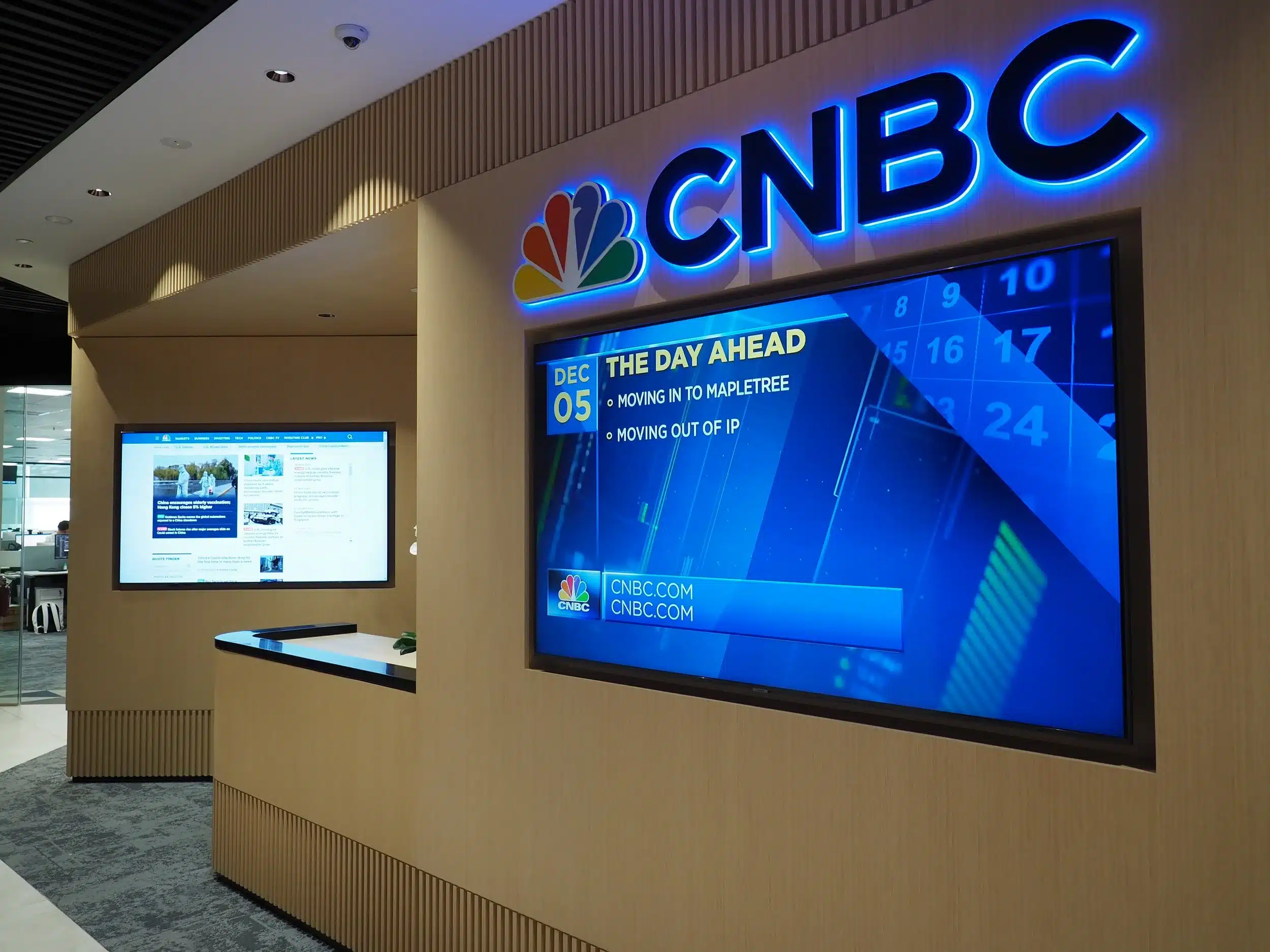
CNBC business correspondent Jane Wells featured Phonewire in a national television segment on the emerging voicemail-to-text industry — profiling Phonewire’s human-powered transcription service as the accuracy-first alternative to automated speech recognition. The segment aired during a pivotal moment in communications technology, when voicemail transcription was transitioning from novelty to necessity.

The CNBC Segment
“The End of Voicemail As We Know It”
“Tired of listening to that automated voice on your phone’s message menu? Now you can get your voicemails in text form on your Blackberry. CNBC’s Jane Wells found a new service that wants to end voicemail as we know it.”
The segment covered the emerging voicemail transcription industry — a category that in 2007 was just beginning to surface as a practical alternative to listening to messages. Jane Wells, a veteran CNBC feature correspondent known for her “Funny Business” and “Strange Success” series, profiled several services in the space. Phonewire was featured as the human-powered approach in a field where most competitors were betting on automated speech recognition.
CNBC’s description of Phonewire in the segment: “A more traditional service, Phonewire.com, uses live operators who transcribe voicemails into text.” The distinction mattered. In 2007, automated speech-to-text was accurate enough for clear, unaccented speakers in quiet environments — but fell apart with fast speech, accents, technical terminology, or background noise. Phonewire’s human transcriptionists handled all of it.
The Voicemail Transcription Market in 2007
The CNBC segment arrived at a specific moment in communications technology: voicemail transcription had just crossed the threshold from expensive enterprise tool to consumer-accessible service. Three companies were competing for the same emerging category:
SimulScribe
New York startup. Automated speech-to-text. ~$9.95/month for 40 messages. Delivered transcriptions to BlackBerry and email.
SpinVox
UK-based. Speech-to-text with human assist fallback. Multi-language (English, French, Spanish, German). US expansion underway in 2007.
Phonewire ✓
Human-powered transcription. Live operators. Higher accuracy than automated alternatives. Delivered to email and text. 24/7/365 operation.
Phonewire’s positioning — accuracy through real people rather than algorithms — was a meaningful differentiator at a time when automated transcription regularly produced garbled output for anything outside perfect conditions. Independent reviews from the period consistently cited Phonewire’s accuracy as the benchmark against which automated services were measured.
Matt Rygelski’s Prediction — And How It Aged
“Every telephone has voicemail [today], and I believe in the next ten to fifteen years every phone is going to have [voicemail transcription].”— Matt Rygelski, President, Phonewire — CNBC, 2007
The prediction was accurate in both substance and timeline. Rygelski said ten to fifteen years — voicemail transcription became a standard smartphone feature within roughly seven to ten years of the segment, and a universal business communications feature within the timeframe he described. What was a specialized paid service in 2007 is now an expectation built into every modern phone system by default.
About Jane Wells
Jane Wells was a CNBC business correspondent based in Los Angeles from 1996 until her retirement in September 2024 — a 26-year career at the network. Known for her feature reporting on unusual business stories, Wells produced recurring series including “Funny Business” and “Strange Success,” which covered innovative and unconventional companies and entrepreneurs. Her awards include a Peabody Award, a duPont Award, and multiple Emmy Awards over her career. The voicemail transcription segment was characteristic of her beat: covering emerging technologies and their practical impact on the way businesses and consumers communicate.
Phonewire’s Voicemail Transcription Service Today
Phonewire’s human-powered voicemail transcription service remains available today — the same core approach featured on CNBC, refined over nearly two decades. While automated AI transcription has improved substantially since 2007, human accuracy still matters for accented speakers, fast talkers, technical terminology, and any situation where the cost of a transcription error exceeds the cost of a human transcriptionist.
The service integrates with most business phone systems and cloud platforms, delivers transcriptions to email and SMS within minutes, and operates 24/7/365. It’s used by solo professionals, law offices, healthcare providers, and businesses that cannot afford to misread a voicemail.
Try Phonewire’s Voicemail Transcription Service
The same human-powered accuracy that CNBC featured in 2007 — refined and improved over nearly two decades. Typed by real people, delivered in minutes, integrated with any phone system. No AI errors. No misread messages.
📞 (800) 857-1517